Trending...
- Free Commercial Glass Estimating and Code Compliance Tools Launched by Landmark Construction - The Leading Glass Company in Los Angeles - 137
- 5X Gross Margin Improvement to Beat EPS Consensus; $54.6 Million 10-Year Contract Award Puts Cybersecurity Leader on Path to a $30 Million Run Rate - 137
- No Sugar Baker Continues National Growth with Seattle Market Expansion Across Washington, Idaho, and Alaska - 136
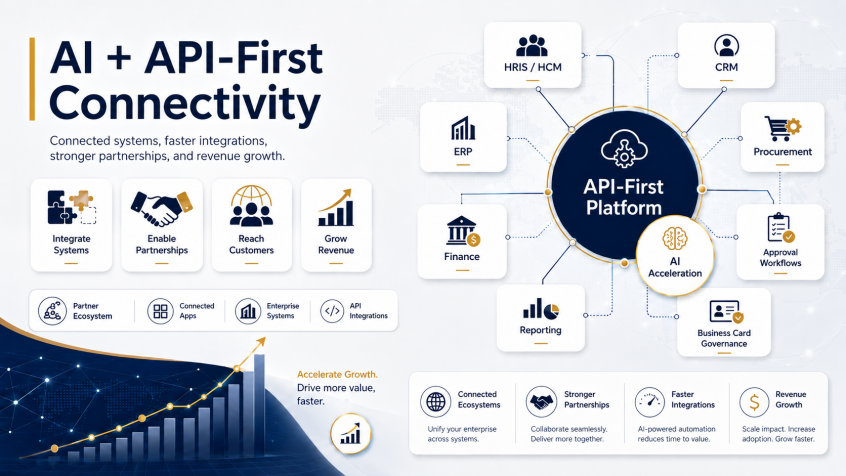

Color Card Administrator highlights how API-integrated enterprise business card governance reflects a broader shift toward connected systems, faster integrations, workflow automation, and revenue growth through platform connectivity.
SAN DIEGO - Michimich -- AI is making it easier for companies with API-first platforms to connect into other systems, create new partnerships, reach more customers, and grow revenue faster.
As companies evaluate AI, automation, and workflow modernization, one point is becoming clearer: AI creates more value when business systems are structured, governed, and accessible through APIs. Platforms built around API connectivity are better positioned to integrate with enterprise systems, support partner ecosystems, reduce manual workflow friction, and expand into new customer environments.
Color Card Administrator is highlighting this shift through the lens of enterprise business card governance, where business card workflows increasingly need to connect with HR, CRM, ERP, procurement, finance, approval routing, vendor execution, and proprietary backend systems.
For medium and large organizations, business card management is no longer just a print-ordering function. It often touches employee identity, onboarding, title changes, departments, locations, cost centers, approval structures, brand standards, procurement visibility, vendor coordination, financial reporting, and operational accountability.
When those workflows remain disconnected, companies may face outdated employee information, inconsistent approval routing, limited procurement visibility, manual data entry, vendor coordination gaps, and reduced reporting clarity.
API-integrated business card governance helps address those issues by allowing business card workflows to connect with the systems organizations already use to manage people, finance, operations, sales, procurement, and reporting.
More on Michimich.com
"AI is making companies look more closely at how their systems connect," said Keith Harris, Founder and CEO of Color Card Administrator. "The organizations that move fastest will be the ones with structured data, governed workflows, and API-ready infrastructure. Business card management may look simple from the outside, but inside larger organizations it touches employee identity, procurement, finance, brand control, vendor execution, and operational visibility. That is exactly where API-integrated governance becomes important."
The company notes that API-first platforms can create business growth opportunities because they are easier to connect into customer environments, partner ecosystems, and existing enterprise workflows. Rather than operating as isolated portals, API-ready platforms can support faster integration, more flexible implementation, and stronger long-term alignment with the systems customers already rely on.
For enterprise business card programs, this means workflows can be structured around identity data, approval routing, cost center visibility, template governance, production coordination, vendor execution, and reporting.
Examples of connected workflow environments may include:
This API-connected model is especially important as companies explore AI-enabled workflows. AI may help organizations analyze data, automate decisions, summarize activity, recommend actions, and accelerate integration planning. But those benefits depend on whether the underlying business systems can exchange data reliably and operate within governed workflows.
More on Michimich.com
"AI creates acceleration, but APIs create connection," Harris said. "For business platforms, the opportunity is not just automation. It is the ability to connect into the systems where customers already work, support stronger partnerships, and create new paths for revenue growth."
Color Card Administrator's broader platform ecosystem includes Business Card Manager, which supports centralized business card ordering, approval workflows, template governance, operational visibility, and execution infrastructure for organizations managing business card programs across teams, departments, locations, and approval structures.
By combining governance, workflow execution, and API-integrated infrastructure, CCA and Business Card Manager support organizations that need business card management connected to enterprise systems rather than managed as a disconnected print-ordering process.
The company views API-integrated enterprise business card governance as part of a larger business systems trend: companies are increasingly looking for platforms that can connect, coordinate, and scale across existing systems instead of forcing teams to manage workflows manually across disconnected tools.
As AI continues to shape enterprise technology decisions, API-first infrastructure is expected to become an increasingly important factor in how companies evaluate platforms, partnerships, automation opportunities, and revenue growth potential.
About Color Card Administrator
Color Card Administrator provides enterprise business card governance, workflow infrastructure, and centralized business card management solutions for organizations that need operational control across employee identity, approval workflows, procurement visibility, brand standards, vendor coordination, and reporting.
Through its platform ecosystem, including Business Card Manager, Color Card Administrator supports business card programs for medium and large organizations requiring governance, workflow execution, operational visibility, and API-connected infrastructure across teams, departments, locations, and enterprise systems.
Media Contact
Color Card Administrator
Keith Harris
Website: https://www.colorcardadministrator.com
As companies evaluate AI, automation, and workflow modernization, one point is becoming clearer: AI creates more value when business systems are structured, governed, and accessible through APIs. Platforms built around API connectivity are better positioned to integrate with enterprise systems, support partner ecosystems, reduce manual workflow friction, and expand into new customer environments.
Color Card Administrator is highlighting this shift through the lens of enterprise business card governance, where business card workflows increasingly need to connect with HR, CRM, ERP, procurement, finance, approval routing, vendor execution, and proprietary backend systems.
For medium and large organizations, business card management is no longer just a print-ordering function. It often touches employee identity, onboarding, title changes, departments, locations, cost centers, approval structures, brand standards, procurement visibility, vendor coordination, financial reporting, and operational accountability.
When those workflows remain disconnected, companies may face outdated employee information, inconsistent approval routing, limited procurement visibility, manual data entry, vendor coordination gaps, and reduced reporting clarity.
API-integrated business card governance helps address those issues by allowing business card workflows to connect with the systems organizations already use to manage people, finance, operations, sales, procurement, and reporting.
More on Michimich.com
- Where Do Missouri Plane Crashes Really Happen? Not Where You'd Think
- LCC Asia Pacific Sponsors CubeSatPlus 2026 at UNSW Sydney
- Ann Arbor Area Community Foundation's Annual Community Meeting Returns September 15!
- Real Estate Syndication Attorney Tilden Moschetti Releases The Real Estate Private Equity Blueprint
- 5X Gross Margin Improvement to Beat EPS Consensus; $54.6 Million 10-Year Contract Award Puts Cybersecurity Leader on Path to a $30 Million Run Rate
"AI is making companies look more closely at how their systems connect," said Keith Harris, Founder and CEO of Color Card Administrator. "The organizations that move fastest will be the ones with structured data, governed workflows, and API-ready infrastructure. Business card management may look simple from the outside, but inside larger organizations it touches employee identity, procurement, finance, brand control, vendor execution, and operational visibility. That is exactly where API-integrated governance becomes important."
The company notes that API-first platforms can create business growth opportunities because they are easier to connect into customer environments, partner ecosystems, and existing enterprise workflows. Rather than operating as isolated portals, API-ready platforms can support faster integration, more flexible implementation, and stronger long-term alignment with the systems customers already rely on.
For enterprise business card programs, this means workflows can be structured around identity data, approval routing, cost center visibility, template governance, production coordination, vendor execution, and reporting.
Examples of connected workflow environments may include:
- HRIS and HCM systems for employee identity, onboarding, department, manager, and role data
- CRM systems for sales identity, territory, customer-facing roles, and contact information
- ERP and finance systems for cost centers, GL coding, procurement visibility, and reporting
- procurement systems for approval rules, vendor coordination, and purchasing controls
- proprietary backend systems for custom enterprise workflows and internal data structures
- approval workflows for manager review, procurement review, brand review, and exception handling
- reporting systems for operational visibility, auditability, order status, vendor activity, and lifecycle tracking
This API-connected model is especially important as companies explore AI-enabled workflows. AI may help organizations analyze data, automate decisions, summarize activity, recommend actions, and accelerate integration planning. But those benefits depend on whether the underlying business systems can exchange data reliably and operate within governed workflows.
More on Michimich.com
- Independent Colbert Packaging Thrives Amid Industrywide Consolidation
- Free Commercial Glass Estimating and Code Compliance Tools Launched by Landmark Construction - The Leading Glass Company in Los Angeles
- Tallahassee Million-Dollar Home Sales Rise in 2026 as Median Selling Time More Than Doubles
- Slotozilla Reports Strong Growth in Q2 2026
- Flexible Plan Investments Names Carl Resnick President
"AI creates acceleration, but APIs create connection," Harris said. "For business platforms, the opportunity is not just automation. It is the ability to connect into the systems where customers already work, support stronger partnerships, and create new paths for revenue growth."
Color Card Administrator's broader platform ecosystem includes Business Card Manager, which supports centralized business card ordering, approval workflows, template governance, operational visibility, and execution infrastructure for organizations managing business card programs across teams, departments, locations, and approval structures.
By combining governance, workflow execution, and API-integrated infrastructure, CCA and Business Card Manager support organizations that need business card management connected to enterprise systems rather than managed as a disconnected print-ordering process.
The company views API-integrated enterprise business card governance as part of a larger business systems trend: companies are increasingly looking for platforms that can connect, coordinate, and scale across existing systems instead of forcing teams to manage workflows manually across disconnected tools.
As AI continues to shape enterprise technology decisions, API-first infrastructure is expected to become an increasingly important factor in how companies evaluate platforms, partnerships, automation opportunities, and revenue growth potential.
About Color Card Administrator
Color Card Administrator provides enterprise business card governance, workflow infrastructure, and centralized business card management solutions for organizations that need operational control across employee identity, approval workflows, procurement visibility, brand standards, vendor coordination, and reporting.
Through its platform ecosystem, including Business Card Manager, Color Card Administrator supports business card programs for medium and large organizations requiring governance, workflow execution, operational visibility, and API-connected infrastructure across teams, departments, locations, and enterprise systems.
Media Contact
Color Card Administrator
Keith Harris
Website: https://www.colorcardadministrator.com
Source: Color Card Administrator, Inc
Filed Under: Business
0 Comments
Latest on Michimich.com
- Phinge & CEO Robert DeMaio Publicly Declare Cash Settlements or Judgments Alone Cannot & Will Not Remedy the Deep Public Harm of Infringing Its IP
- Dana Flanagan Expands the Authority Architect, Bringing a Nontraditional Approach to Executive Authority, Strategic Access and Business Growth
- Phinge's Netverse: Reclaiming the Digital Frontier For Everyone Through CEO Robert DeMaio's Vision of a True App-less, User Data Sovereign World
- DuraFast Label Company Launches Seiko SLP850 2" Thermal Printer with Free Label Promotion
- Gratitude Geek Wins Two 2026 Marketing Podcast Network Awards
- Scientific Figure Releases Free Layout Template Libraries for Graphical Abstracts and Research Posters
- Permian Museum announces the addition of an Ancient Alien Artifacts photo gallery
- The Golden Jazz Fest Shuttle Returns for 2026
- KeysCaribbean Resorts Offer Savings On Vacations Through Aug. 31, Preview Exceptional Select Fall Rates of Less Than $200/Night
- Fit Body Boot Camp Launches Nationwide 'Fit Body Forever' Workshops to Help Adults 60+ Rebuild Strength and Prevent Falls
- Canadian Aerospace Defence Talent Expo (CADTE) Launches National TalentThread Initiative to Strengthen Canada's Future Workforce
- 5.6 Million EUR in Q1 Project Awards for Integrated IoT Solutions / Data Analytics Subsidiary of Smart City Developer: Affluence (Stock Symbol: AFFU)
- Merger Advancement For Embodied AI Co in Robotic Systems Serving High Value Hospitality, Gaming & Real Estate Sectors: MBody AI Corp. (NAS DAQ: MBAI)
- Hollywood In Pixels Announces Honorees for The 9th Silver PIXel Awards
- New Research Finds a Good Deal Is All It Takes to Get Americans Booking a Last-Minute Vacation — and Most Already Have One on Their Mind
- Roofman USA Continues Expanding Roofing Services Through Michigan Towns
- Roofman USA Explains Roof Replacement Timelines and Scheduling Process Across Multiple States
- GitKraken Introduces GitLens 19, Bringing Human and AI Workflows Together in One Workbench
- LĪNA Universal Balm Nominated for "Best Clean Skincare Product" at CertClean Beauty Awards
- Bronze Stevie Award Recognizes Satyadhar Joshi for AI Research and Public Policy Engagement