Trending...
- Elder Abuse Case Against Healthy Traditions Owner Raises Questions As To The Dire Reality Of Abuse Against The Last Of The Baby Boomers - 140
- Tarrytown Expocare Pharmacy Announces Strategic Leadership Appointments to Accelerate Growth and Innovation - 110
- National Expansion Ignited Across Amazon $AMZN, Chewy $CHWY & Walmart $WMT: NDT Pharmaceuticals, Inc. (Stock Symbol: NDTP) $NDTP - 106
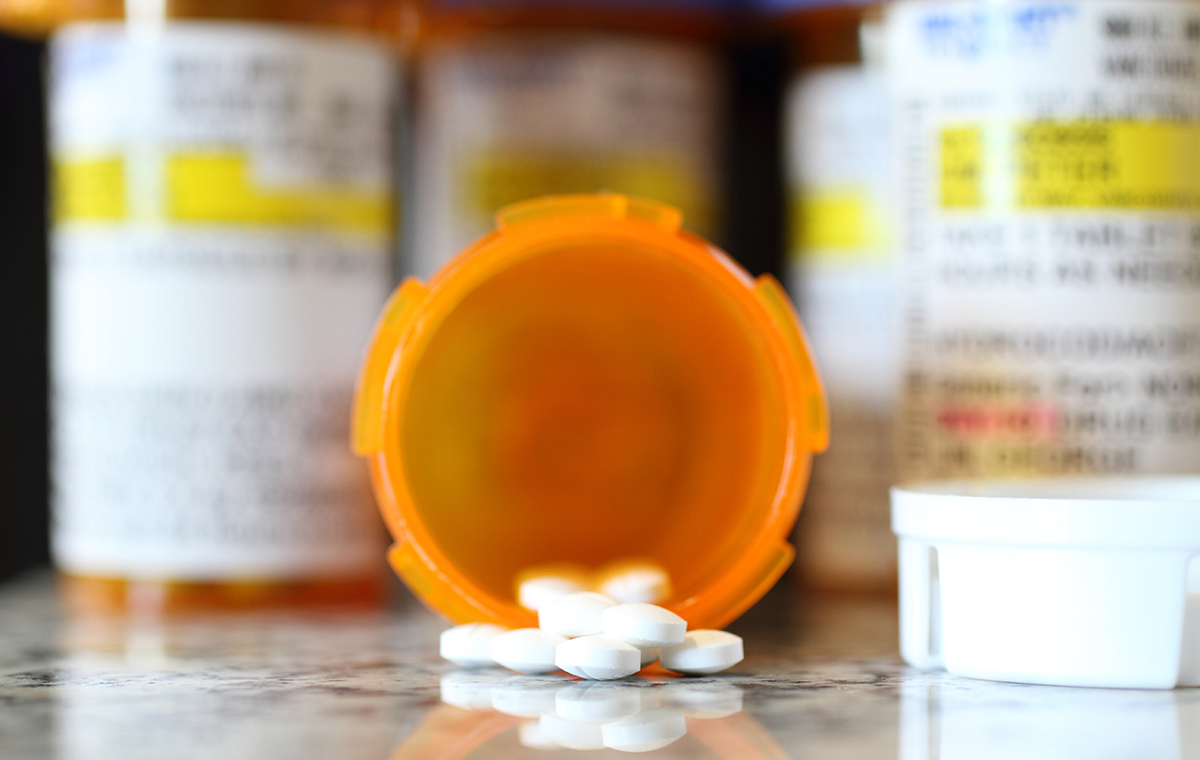
Safety signals spanning decades have not removed many high-risk psychiatric drugs from the market, prompting renewed scrutiny of federal regulators, as long-reported harm intensifies concerns over failures in public safeguards.
LOS ANGELES - Michimich -- By CCHR International
More than 30 years after early warnings about antidepressant-linked suicidality and violence were downplayed, new peer-reviewed studies are again raising concerns about psychiatric drug oversight. Research published in leading psychiatric journals questions both the benefits of newer drugs and the safety of current prescribing, especially for young people. The findings point to a pattern of repeated safety signals but limited regulatory response, exposing many to serious risks. The mental health watchdog Citizens Commission on Human Rights International (CCHR) says high-risk drugs are seldom removed from the market and argues that stronger safeguards are urgently needed to protect public safety. CCHR cites experts who warn that rising polypharmacy is increasing healthcare costs while population mental-health outcomes worsen.[1]
A study in the Journal of Clinical Psychiatry found that all 22 psychiatric drugs approved by the United States Food and Drug Administration (FDA) between 2012 and 2024 failed to demonstrate meaningful clinical usefulness. Researchers reported no clear advantage over existing treatments and concluded that none met independent criteria for being genuinely helpful to consumers.[2]
Researchers noted that most approvals involved repurposed or "me-too" drugs—products similar to existing ones with only minor chemical changes. Examples included antipsychotics, where approvals often reflected expanded uses rather than innovations. The study pointed to a regulatory framework that allows market entry without strong real-world outcome evidence.
Prescribing trends add to the concern. A study in the Journal of the American Academy of Child and Adolescent Psychiatry found psychotropic drug use among Americans aged six to twenty-four rose from 5.3% to 8.3%, with the sharpest increases in children aged six to eleven and young adults aged twenty to twenty-four. Stimulant use nearly doubled.[3]
Researchers at the Perelman School of Medicine at the University of Pennsylvania, analyzing National Health and Nutrition Examination Survey data from 2001 to 2020, found that about 26% of young people taking psychotropic drugs were exposed to combinations carrying major drug-interaction risks, most often involving antidepressants and antipsychotics. Because these drugs cross the blood–brain barrier, combined use can heighten central nervous system risks such as abnormal heart rhythms, excessive sedation, and serotonin toxicity.
More on Michimich.com
Nearly half of antipsychotic users and just under half of antidepressant users faced at least one major interaction risk.[4]
Long-term exposure remains another issue. In December 2025, The Wall Street Journal reported that benzodiazepines and antidepressants were never intended for extended use, yet many Americans remain on them for years. Senior health writer Betsy McKay noted psychiatric drug use now spans multiple generations within families. Telehealth platforms have expanded access, even as long-term users report serious repercussions.
Physician and pharmaceutical safety researcher Professor Peter Gøtzsche has estimated that psychiatric drugs—including neuroleptics, benzodiazepines, and antidepressants—may contribute to approximately 209,000 deaths annually among Americans aged 65 and older. He has warned that polypharmacy greatly increases the risk of fatal drug interactions.[5]
Jan Eastgate, President of CCHR International, said these patterns demand regulatory accountability. "When each new wave of psychiatric drugs is promoted as progress, yet national mental health outcomes continue to decline, regulators must examine how the system is serving the marketplace and failing to protect consumers."
The global psychotropic drug market generates tens of billions of dollars annually and is projected to exceed nearly $32 billion by 2035, creating strong commercial incentives to keep products on the market.
Researchers Martin Plöderl and Michael P. Hengartner have warned that increased antidepressant use has been associated with higher suicide rates. Antidepressant-induced sexual dysfunction has also been documented as serious and sometimes persistent. The Pharmaceutical Journal has reported that about 56% of users experience withdrawal effects, which can be mistaken for relapse and lead to prolonged prescribing.
Antipsychotics are associated with tardive dyskinesia (TD), a potentially permanent debilitating movement disorder affecting an estimated 20 to 50% of users. Research has also associated antipsychotic use with brain volume changes, increased dementia risk, and premature mortality.
Stimulants prescribed for attention deficit hyperactivity disorder (ADHD) carry documented risks. There is no biological test to confirm the diagnosis. Long-term trials show limited sustained academic or social gains alongside measurable growth suppression.
In 2023, the FDA required addiction warnings on stimulant labels. Risks include cardiovascular complications, psychosis, aggression, and suicidal thoughts. Withdrawal from amphetamine-like stimulants can trigger severe depression. Australia's Therapeutic Goods Administration warns that dexamfetamine should be discontinued if suicidal ideation or psychosis emerges and that abrupt withdrawal can cause extreme fatigue and depression.
More on Michimich.com
Benzodiazepines and sedative hypnotics remain widely prescribed despite dependence risks. Neurology International has warned of severe, potentially life-threatening withdrawal. American Family Physician reported withdrawal can occur after only one month of daily use. In 2020, the FDA added boxed warnings for abuse, misuse, addiction, and overdose risk. Studies link benzodiazepines to increased suicide risk and behavioral disinhibition.
Eastgate said normal emotional struggles are increasingly medicalized, often leading to additional or multiple drugs. Decades of evidence show a system that is not correcting itself. "After years of rising prescriptions and worsening mental-health statistics, repeated safety warnings have accumulated without effective regulatory response," she said. "This points to a systemic problem in how psychiatric drugs are evaluated and monitored. Many carry serious risks yet remain widely prescribed."
Founded in 1969 by the Church of Scientology and professor of psychiatry, Dr. Thomas Szasz, CCHR has long tracked psychiatric drug risks and says expanded use is linked to rising disability and significantly worsened outcomes. It calls on regulators to prioritize accountability and consumer safety over industry interests.
Sources:
[1] A Midwestern Doctor, "The Truth About SSRI Antidepressants: What Everyone Needs to Know About Antidepressants," The Forgotten Side of Medicine, 5 Feb. 2026, www.midwesterndoctor.com/p/the-truth-about-ssri-antidepressants?utm_source=post-email-title&publication_id=748806&post_id=184750716&utm_campaign=email-post-title&isFreemail=true&r=18l5a7&triedRedirect=true&utm_medium=email
[2] John Havik, MD. et al., "Innovation in Psychiatric Drug Development: A Quantitative Analysis of FDA-Approved Psychiatric Drugs, 2012–2024," J Clin Psychiatry. 2026 Jan 12;87(1):25m16063, pubmed.ncbi.nlm.nih.gov/41532845/
[3] "1 in 4 Young People Using Psychotropic Drugs are Taking Dangerous Combinations," Newswise, 4 Feb. 2026,/www.newswise.com/articles/1-in-4-young-people-using-psychotropic-drugs-are-taking-dangerous-combinations; Lin-Chieh Meng et. al., "Trends in Psychotropic Medication Use, Polypharmacy, and Potential Major Drug–Drug Interactions Among US Youth," Journal of the American Academy of Child & Adolescent Psychiatry, Dec. 2025, www.sciencedirect.com/science/article/pii/S089085672502235X?ref=pdf_download&fr=RR-2&rr=9c8c12455976f552
[4] "1 in 4 Young People Using Psychotropic Drugs are Taking Dangerous Combinations," Newswise, 4 Feb. 2026, www.newswise.com/articles/1-in-4-young-people-using-psychotropic-drugs-are-taking-dangerous-combinations; Lin-Chieh Meng et. al., "Trends in Psychotropic Medication Use, Polypharmacy, and Potential Major Drug–Drug Interactions Among US Youth," Journal of the American Academy of Child & Adolescent Psychiatry, Dec. 2025, www.sciencedirect.com/science/article/pii/S089085672502235X?ref=pdf_download&fr=RR-2&rr=9c8c12455976f552
[5] Peter C. Gøtzsche, "Prescription Drugs Are the Leading Cause of Death," Brownstone Institute, 16 Apr. 2024, brownstone.org/articles/prescription-drugs-are-the-leading-cause-of-death/
More than 30 years after early warnings about antidepressant-linked suicidality and violence were downplayed, new peer-reviewed studies are again raising concerns about psychiatric drug oversight. Research published in leading psychiatric journals questions both the benefits of newer drugs and the safety of current prescribing, especially for young people. The findings point to a pattern of repeated safety signals but limited regulatory response, exposing many to serious risks. The mental health watchdog Citizens Commission on Human Rights International (CCHR) says high-risk drugs are seldom removed from the market and argues that stronger safeguards are urgently needed to protect public safety. CCHR cites experts who warn that rising polypharmacy is increasing healthcare costs while population mental-health outcomes worsen.[1]
A study in the Journal of Clinical Psychiatry found that all 22 psychiatric drugs approved by the United States Food and Drug Administration (FDA) between 2012 and 2024 failed to demonstrate meaningful clinical usefulness. Researchers reported no clear advantage over existing treatments and concluded that none met independent criteria for being genuinely helpful to consumers.[2]
Researchers noted that most approvals involved repurposed or "me-too" drugs—products similar to existing ones with only minor chemical changes. Examples included antipsychotics, where approvals often reflected expanded uses rather than innovations. The study pointed to a regulatory framework that allows market entry without strong real-world outcome evidence.
Prescribing trends add to the concern. A study in the Journal of the American Academy of Child and Adolescent Psychiatry found psychotropic drug use among Americans aged six to twenty-four rose from 5.3% to 8.3%, with the sharpest increases in children aged six to eleven and young adults aged twenty to twenty-four. Stimulant use nearly doubled.[3]
Researchers at the Perelman School of Medicine at the University of Pennsylvania, analyzing National Health and Nutrition Examination Survey data from 2001 to 2020, found that about 26% of young people taking psychotropic drugs were exposed to combinations carrying major drug-interaction risks, most often involving antidepressants and antipsychotics. Because these drugs cross the blood–brain barrier, combined use can heighten central nervous system risks such as abnormal heart rhythms, excessive sedation, and serotonin toxicity.
More on Michimich.com
- Danholm Collection Announces Sale of 16689 Broadwater Ave in Winter Garden, Highlighting Strong Performance in Twinwaters Community
- Raven Carbide Dies Shares Best Practices for Maintaining and Extending Carbide Die Life
- The Truth About Dealer vs. Independent European Repair: More Options for Ann Arbor Drivers Than Ever
- Strong Clinical Results for Breakthrough Liver Diagnostic Platform; ENDRA Life Sciences (N A S D A Q: NDRA) $NDRA
- 46th International Symposium On Forecasting – Dates, Venue And Speakers Announced
Nearly half of antipsychotic users and just under half of antidepressant users faced at least one major interaction risk.[4]
Long-term exposure remains another issue. In December 2025, The Wall Street Journal reported that benzodiazepines and antidepressants were never intended for extended use, yet many Americans remain on them for years. Senior health writer Betsy McKay noted psychiatric drug use now spans multiple generations within families. Telehealth platforms have expanded access, even as long-term users report serious repercussions.
Physician and pharmaceutical safety researcher Professor Peter Gøtzsche has estimated that psychiatric drugs—including neuroleptics, benzodiazepines, and antidepressants—may contribute to approximately 209,000 deaths annually among Americans aged 65 and older. He has warned that polypharmacy greatly increases the risk of fatal drug interactions.[5]
Jan Eastgate, President of CCHR International, said these patterns demand regulatory accountability. "When each new wave of psychiatric drugs is promoted as progress, yet national mental health outcomes continue to decline, regulators must examine how the system is serving the marketplace and failing to protect consumers."
The global psychotropic drug market generates tens of billions of dollars annually and is projected to exceed nearly $32 billion by 2035, creating strong commercial incentives to keep products on the market.
Researchers Martin Plöderl and Michael P. Hengartner have warned that increased antidepressant use has been associated with higher suicide rates. Antidepressant-induced sexual dysfunction has also been documented as serious and sometimes persistent. The Pharmaceutical Journal has reported that about 56% of users experience withdrawal effects, which can be mistaken for relapse and lead to prolonged prescribing.
Antipsychotics are associated with tardive dyskinesia (TD), a potentially permanent debilitating movement disorder affecting an estimated 20 to 50% of users. Research has also associated antipsychotic use with brain volume changes, increased dementia risk, and premature mortality.
Stimulants prescribed for attention deficit hyperactivity disorder (ADHD) carry documented risks. There is no biological test to confirm the diagnosis. Long-term trials show limited sustained academic or social gains alongside measurable growth suppression.
In 2023, the FDA required addiction warnings on stimulant labels. Risks include cardiovascular complications, psychosis, aggression, and suicidal thoughts. Withdrawal from amphetamine-like stimulants can trigger severe depression. Australia's Therapeutic Goods Administration warns that dexamfetamine should be discontinued if suicidal ideation or psychosis emerges and that abrupt withdrawal can cause extreme fatigue and depression.
More on Michimich.com
- Phoenix Rebellion Therapy Celebrates 10 Years Helping Utahns Overcome Trauma as Utah Faces Nation's 2nd-Highest Rate of Mental Health Challenges
- Bonavita Luxury & Portable Lavatories Announces Rebrand to Bonavita Site Solutions
- Raleigh Emerges as a Key Player in Sustainable Fashion Innovation for 2026
- New Online Tool Helps Parents Determine If Their Children Are Overscheduled
- Notice: Hrm Queen Laurence I Assumes Crown Control & $317q Fund. 3bn Unopoly Shares Settled. Requisition Of Buckingham Palace & Windsor Castle Final
Benzodiazepines and sedative hypnotics remain widely prescribed despite dependence risks. Neurology International has warned of severe, potentially life-threatening withdrawal. American Family Physician reported withdrawal can occur after only one month of daily use. In 2020, the FDA added boxed warnings for abuse, misuse, addiction, and overdose risk. Studies link benzodiazepines to increased suicide risk and behavioral disinhibition.
Eastgate said normal emotional struggles are increasingly medicalized, often leading to additional or multiple drugs. Decades of evidence show a system that is not correcting itself. "After years of rising prescriptions and worsening mental-health statistics, repeated safety warnings have accumulated without effective regulatory response," she said. "This points to a systemic problem in how psychiatric drugs are evaluated and monitored. Many carry serious risks yet remain widely prescribed."
Founded in 1969 by the Church of Scientology and professor of psychiatry, Dr. Thomas Szasz, CCHR has long tracked psychiatric drug risks and says expanded use is linked to rising disability and significantly worsened outcomes. It calls on regulators to prioritize accountability and consumer safety over industry interests.
Sources:
[1] A Midwestern Doctor, "The Truth About SSRI Antidepressants: What Everyone Needs to Know About Antidepressants," The Forgotten Side of Medicine, 5 Feb. 2026, www.midwesterndoctor.com/p/the-truth-about-ssri-antidepressants?utm_source=post-email-title&publication_id=748806&post_id=184750716&utm_campaign=email-post-title&isFreemail=true&r=18l5a7&triedRedirect=true&utm_medium=email
[2] John Havik, MD. et al., "Innovation in Psychiatric Drug Development: A Quantitative Analysis of FDA-Approved Psychiatric Drugs, 2012–2024," J Clin Psychiatry. 2026 Jan 12;87(1):25m16063, pubmed.ncbi.nlm.nih.gov/41532845/
[3] "1 in 4 Young People Using Psychotropic Drugs are Taking Dangerous Combinations," Newswise, 4 Feb. 2026,/www.newswise.com/articles/1-in-4-young-people-using-psychotropic-drugs-are-taking-dangerous-combinations; Lin-Chieh Meng et. al., "Trends in Psychotropic Medication Use, Polypharmacy, and Potential Major Drug–Drug Interactions Among US Youth," Journal of the American Academy of Child & Adolescent Psychiatry, Dec. 2025, www.sciencedirect.com/science/article/pii/S089085672502235X?ref=pdf_download&fr=RR-2&rr=9c8c12455976f552
[4] "1 in 4 Young People Using Psychotropic Drugs are Taking Dangerous Combinations," Newswise, 4 Feb. 2026, www.newswise.com/articles/1-in-4-young-people-using-psychotropic-drugs-are-taking-dangerous-combinations; Lin-Chieh Meng et. al., "Trends in Psychotropic Medication Use, Polypharmacy, and Potential Major Drug–Drug Interactions Among US Youth," Journal of the American Academy of Child & Adolescent Psychiatry, Dec. 2025, www.sciencedirect.com/science/article/pii/S089085672502235X?ref=pdf_download&fr=RR-2&rr=9c8c12455976f552
[5] Peter C. Gøtzsche, "Prescription Drugs Are the Leading Cause of Death," Brownstone Institute, 16 Apr. 2024, brownstone.org/articles/prescription-drugs-are-the-leading-cause-of-death/
Source: Citizens Commission on Human Rights International
Filed Under: Health
0 Comments
Latest on Michimich.com
- Sellvia Market Expands Curated Store Portfolio for Dropshipping Sellers
- Food Journal Magazine Raises the Standard for Restaurant Reviews in Los Angeles
- Williamsville Spa Expands Team to Meet Growing Demand for Professional Facials
- Pregis Expands Wind Energy Use, Advancing Progress Toward Net Zero by 2040
- Dr. Sheel Desai Solomon and Preston Dermatology Continue Awards Streak with Top Honors in 2026 Maggy Awards
- Jack and Sage Acquires Sustainable Apparel Brand Kastlfel, Expanding Premium Logo Wear Across National Parks and Ski Resorts
- The Projection Booth Celebrates 15 Years of Deep-Dive Film Conversation
- Cancun International Airport Prepares for Record Travel Surge Ahead of Spring Break, Summer, and the 2026 High Season
- $167 Billion Pharma R&D Market Largely Untapped by AI Creates Major Growth Runway for KALA Bios Data-Sovereign AI Strategy: N A S D A Q: KALA
- Lighthouse Tech Awards Recognize Top HR Technology Providers for 2026
- ADB Selects OneVizion to Advance Field Execution and Infrastructure Program Management
- Memelinked Social Media powered by cryptocurrency launching July 2026
- New Calculator Reveals the True Cost of Youth Sports for Families
- Ann Arbor Chiropractor Helps Spring Injuries Heal with Shockwave Therapy
- Ann Arbor Tech Support Specialist Takes a Smarter Approach to Small Business Websites and Security
- Boat Dock Parts Manufacturer Helps Make Docks Safer for Young Family Members!
- Seven-Year-Old Toronto Dancer Julianna Selivanov Wins Nine Medals at Quebec Championship and Reaches Finals at UK Dance Festival
- Families can celebrate Easter at both the Bavarian Inn Restaurant and Bavarian Inn Lodge
- PMG and Cranbrook Horizons-Upward Bound Launch Journey Fellowship Cohort 2
- Progressive Dental & The Closing Institute Partner with Zest Dental Solutions to Elevate Full-Arch Growth and Patient Outcomes