Trending...
- Baird Medical Turns Global Expansion Into Tangible Growth: N A S D A Q: BDMD Posts 25% Revenue Surge as U.S. and International Markets Accelerate - 141
- FDA-Cleared Zeta TMS Robotic System Moves Toward Deployment as FDA, DARPA and Commercial Catalysts Converge: NRx Pharmaceuticals (N A S D A Q: NRXP) - 121
- Allstream Energy Partners Nominated in Multiple Categories for Fast Company's Best Workplaces for Innovators - 107
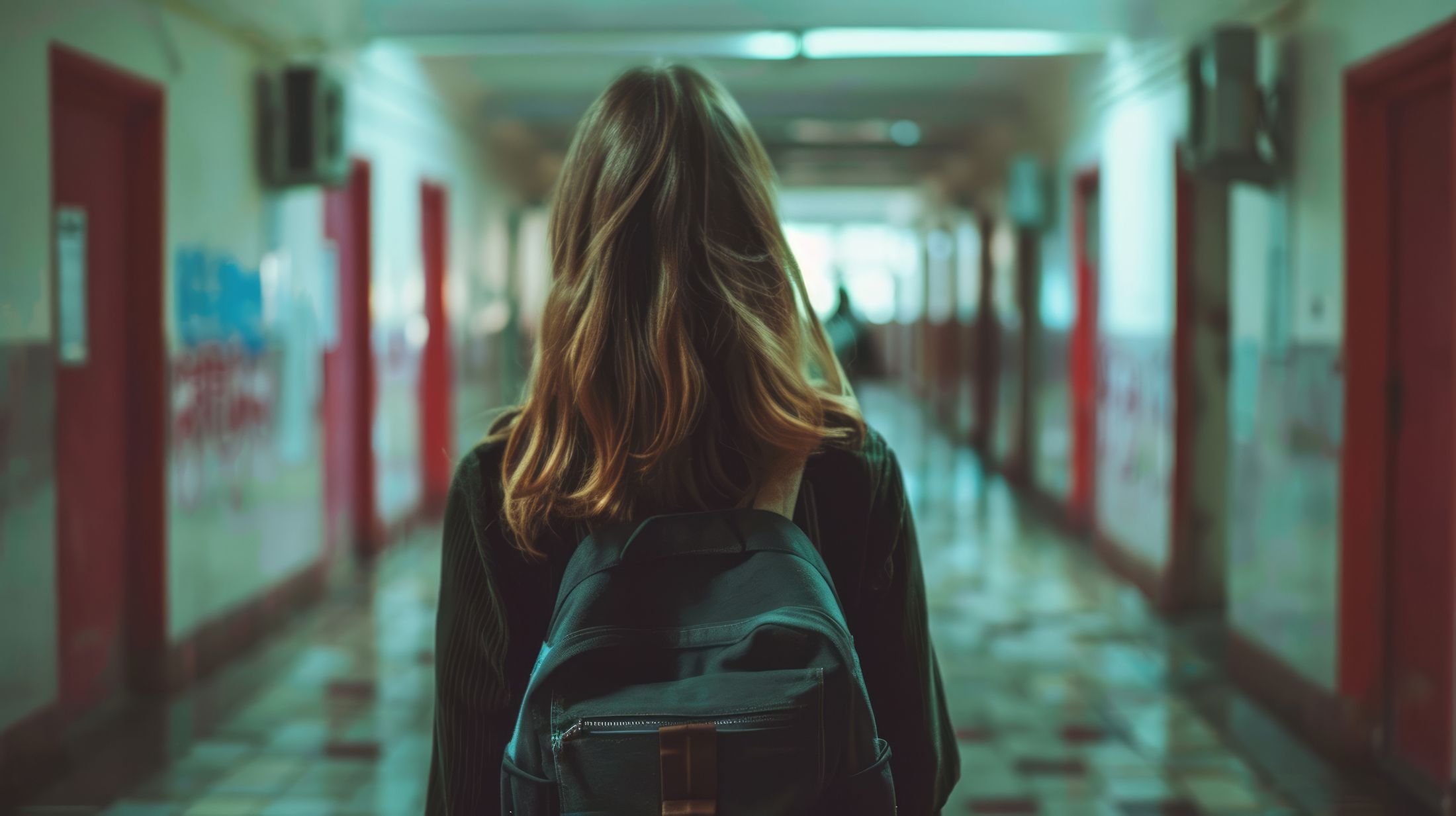
With teachers facing threats, increasing acts of school violence and students being restrained at least 2,300 times per school day, CCHR says $2.7B in recent mental health funding to schools has failed.
LOS ANGELES - Michimich -- The Citizens Commission on Human Rights International (CCHR) says that the billions of dollars funneled into mental health programs in schools have failed to prevent violence, calling for a critical wake-up call. Despite these investments, school shootings and related deaths have continued to rise over five years, according to the report, "An Examination of US School Mass Shootings, 2017–2022." Federal data indicates that students are restrained and secluded an average of 2,300 times per school day, potentially endangering over 100,000 children.[1] Tragically, many fatalities, particularly those involving prone restraints, could have been avoided with proper bans.
CCHR stresses the urgency of legislative action to address these ongoing issues. A federal bill, Keeping All Students Safe Act, introduced in 2021 and again in May 2023, has yet to pass, yet it would prohibit and prevent the use in schools of seclusion, chemical restraint, and dangerous restraints that restrict breathing. New York approved regulations in 2023 prohibiting school staff from restraining a student face down—prone restraints—or leaving a student secluded in a room that they cannot leave. In June 2024, California state Senator Dave Cortese's Senate Bill 483, "Pupil Rights – Prohibition of Prone Restraint" passed through the Assembly Education Committee to eliminate the use of prone restraints in California schools.
CT Insider reports that these practices "cause hundreds, if not thousands, of injuries to students each year, and, experts say, an untold number of children suffer lasting emotional trauma."[2] The Wisconsin Examiner equated the school restraint practices in Wisconsin to "torture" after schools reported almost 6,000 seclusion and 7,000 restraint incidents in 2021-22.[3]
"With the billions of dollars that have been invested in students' mental health and to prevent violence, the poor outcome has been catastrophic,'" says Jan Eastgate, President of CCHR International. "The violence continues unabated, accompanied by failing educational scores." Reading scores have plummeted to their lowest levels in years.[4]
She says funding to school "mental health" is a bottomless pit, without accountability. The U.S. budget for 2020 included $133 million for school violence prevention efforts, including Mental Health First Aid training within schools for school personnel to "better recognize the signs and symptoms of mental illness in students."[5] In 2022, $160 billion was allocated for the mental health needs of students.[6] That same year, the Department of Education announced a $280 million investment to increase access to mental health services for students.[7] Health & Human Services allocated $25 million to expand school mental health clinics.[8]
More on Michimich.com
In 2023, $188 million was allocated to hire 5,400 school-based mental health professionals and train an estimated 5,500 more to build a pipeline to mental health providers in schools.[9] On June 17, 2024, an additional $1 billion was allocated for youth mental health in schools. This funding will support the training and hiring of 14,000 new full-time mental health professionals, bringing the total number to 19,400—or a 259% increase.[10]
In contrast, between 2018 and 2023, the number of teachers in public and private elementary and secondary schools nationwide increased from 3,170,000 to 3,181,000, representing a mere 0.34% growth.[11]
According to the National Center for Education Statistics (NCES), the average teacher pay in 2021-2022 was $66,397. Whereas the average school psychologist's salary is $78,431. This is 18% greater than the average for teachers. The average child psychiatrist's annual income is $249,711—276% or nearly 4 times greater than that for a teacher.
Eastgate says, "Investing in teachers should be the overriding priority, and not have this usurped by classes being turned into behavioral clinics."
Students are screened for mental disorders, assessed and subjected to "Social Emotional Learning" (SEL), despite, as the American Enterprise Institute says, "its ideas and techniques borrowed from popular psychology" mask the true nature of the program.[12] Classes can include: "mindfulness," "visualization to release stress," "name the emotion you are bringing to class," and "write down, rip up and throw away your stress."[13] From November 2019 to April 2021, SEL spending grew by 45% to $765 million.[14]
Yet, 10% of K–12 public school teachers report that they have been
physically assaulted or attacked by a student.[15]
Today, 70% of children in the U.S. who have sought and received mental health "support" did so through schools.[16] The IQVia Total Patient Tracker Database for the Year 2020 reports that more than 6.1 million children and teens ages 0-17 were taking psychiatric drugs, of which 2,652,554 were in the 6-12 age group and 3,188,966 for the ages 13-17.[17]
These drugs are documented to induce violent behavior. CCHR's report, Psychiatric Drugs Create Violence & Suicide: School Shootings and Other Acts of Senseless Violence includes 30 studies that link psychotropic drugs to hostility, mania, aggression, self-harm, suicide, and homicidal thoughts.
During the 2021-22 school year, 66% of students seeking mental health services were referred to external mental health services.[18] CCHR says this makes schools a feeder line to an already profit-driven mental health industry, including involuntary psychiatric hospitalization.
More on Michimich.com
Data shows children who are committed under Florida's involuntary commitment Baker Act, for example, often are referred by school officials. Health News Florida reported, "Fear of school shootings and increased pressure to regulate student behavior mean one bad joke can plunge a child, and their family, into the state's mental health system."
Once institutionalized, children are at risk of more deadly restraints, as neither state nor federal governments have yet implemented a comprehensive ban on the practice. CCHR advocates for critical legislative measures to address this issue, emphasizing the urgent need for the passage of the federal Keeping Children Safe Act and the Stop Institutional Child Abuse Act.
About CCHR: It was established in 1969 by the Church of Scientology and eminent professor of psychiatry, Dr. Thomas Szasz. Responsible for helping achieve hundreds of laws to protect individuals, this includes the federal Prohibition of Mandatory Medication Amendment banning the practice of children being forced to take psychiatric drugs as a requisite for their education.
[1] www.murphy.senate.gov/newsroom/press-releases/murphy-reintroduces-legislation-to-protect-students-from-dangerous-seclusion-and-restraint-practices
[2] www.ctinsider.com/projects/2022/child-deaths-school-restraint-seclusion/
[3] wisconsinexaminer.com/2024/03/18/seclusion-and-restraint-use-in-wisconsin-schools-whats-being-done-about-it/
[4] www.dallasnews.com/news/education/2021/11/10/americas-reading-problem-scores-were-dropping-even-before-the-pandemi
[5] www.thenationalcouncil.org/president-trump-releases-fy-2020-budget-proposal/
[6] www.whitehouse.gov/briefing-room/statements-releases/2022/03/01/fact-sheet-president-biden-to-announce-strategy-to-address-our-national-mental-health-crisis-as-part-of-unity-agenda-in-his-first-state-of-the-union/
[7] www.ed.gov/news/press-releases/hundreds-millions-dollars-funds-increase-number-school-based-mental-health-providers-schools-provided-through-bipartisan-safer-communities-act
[8] www.hhs.gov/about/news/2022/05/03/hhs-awards-nearly-25-million-expand-access-school-based-health-services.html
[9] www.ed.gov/news/press-releases/us-department-education-announces-more-188-million-bipartisan-safer-communities-act-support-mental-health-and-student-wellness
[10] www.mymotherlode.com/news/local/3376374/biden-gun-violence-prevention.html
[11] www.statista.com/statistics/185012/number-of-teachers-in-elementary-and-secondary-schools-since-1955/
[12] www.aei.org/research-products/report/the-unexamined-rise-of-therapeutic-education-how-social-emotional-learning-extends-k-12-educations-reach-into-students-lives-and-expands-teachers-roles/
[13] www.edutopia.org/article/13-powerful-sel-activities-emelina-minero
[14] docs.house.gov/meetings/AP/AP07/20220406/114597/HHRG-117-AP07-Wstate-EdenM-20220406.pdf
[15] www.edweek.org/leadership/how-many-teachers-have-been-assaulted-by-students-or-parents-we-asked-educators/2022/08
[16] www.usnews.com/education/k12/articles/the-benefits-of-mental-health-programs-in-schools
[17] www.cchrint.org/psychiatric-drugs/children-on-psychiatric-drugs/
[18] nces.ed.gov/whatsnew/press_releases/05_31_2022_2.asp
CCHR stresses the urgency of legislative action to address these ongoing issues. A federal bill, Keeping All Students Safe Act, introduced in 2021 and again in May 2023, has yet to pass, yet it would prohibit and prevent the use in schools of seclusion, chemical restraint, and dangerous restraints that restrict breathing. New York approved regulations in 2023 prohibiting school staff from restraining a student face down—prone restraints—or leaving a student secluded in a room that they cannot leave. In June 2024, California state Senator Dave Cortese's Senate Bill 483, "Pupil Rights – Prohibition of Prone Restraint" passed through the Assembly Education Committee to eliminate the use of prone restraints in California schools.
CT Insider reports that these practices "cause hundreds, if not thousands, of injuries to students each year, and, experts say, an untold number of children suffer lasting emotional trauma."[2] The Wisconsin Examiner equated the school restraint practices in Wisconsin to "torture" after schools reported almost 6,000 seclusion and 7,000 restraint incidents in 2021-22.[3]
"With the billions of dollars that have been invested in students' mental health and to prevent violence, the poor outcome has been catastrophic,'" says Jan Eastgate, President of CCHR International. "The violence continues unabated, accompanied by failing educational scores." Reading scores have plummeted to their lowest levels in years.[4]
She says funding to school "mental health" is a bottomless pit, without accountability. The U.S. budget for 2020 included $133 million for school violence prevention efforts, including Mental Health First Aid training within schools for school personnel to "better recognize the signs and symptoms of mental illness in students."[5] In 2022, $160 billion was allocated for the mental health needs of students.[6] That same year, the Department of Education announced a $280 million investment to increase access to mental health services for students.[7] Health & Human Services allocated $25 million to expand school mental health clinics.[8]
More on Michimich.com
- Infinity Infusion Solutions Named Finalist for D Magazine's D CEO 2026 Excellence in Healthcare Awards
- Novi Bathroom Remodel Company Gives Glass Shower Maintenance Tips
- Floors By Michael Announces Launch of New Website
- Canadian Tint Expo 2027: Why Every Window Tinter Should Compete in Niagara Falls on April 3rd & 4th
- Building a Diversified Healthcare Platform as Exosome Science, Telehealth, Diagnostics & Strategic Acquisitions Converge: NexTel Medical (OTCID: MAJI)
In 2023, $188 million was allocated to hire 5,400 school-based mental health professionals and train an estimated 5,500 more to build a pipeline to mental health providers in schools.[9] On June 17, 2024, an additional $1 billion was allocated for youth mental health in schools. This funding will support the training and hiring of 14,000 new full-time mental health professionals, bringing the total number to 19,400—or a 259% increase.[10]
In contrast, between 2018 and 2023, the number of teachers in public and private elementary and secondary schools nationwide increased from 3,170,000 to 3,181,000, representing a mere 0.34% growth.[11]
According to the National Center for Education Statistics (NCES), the average teacher pay in 2021-2022 was $66,397. Whereas the average school psychologist's salary is $78,431. This is 18% greater than the average for teachers. The average child psychiatrist's annual income is $249,711—276% or nearly 4 times greater than that for a teacher.
Eastgate says, "Investing in teachers should be the overriding priority, and not have this usurped by classes being turned into behavioral clinics."
Students are screened for mental disorders, assessed and subjected to "Social Emotional Learning" (SEL), despite, as the American Enterprise Institute says, "its ideas and techniques borrowed from popular psychology" mask the true nature of the program.[12] Classes can include: "mindfulness," "visualization to release stress," "name the emotion you are bringing to class," and "write down, rip up and throw away your stress."[13] From November 2019 to April 2021, SEL spending grew by 45% to $765 million.[14]
Yet, 10% of K–12 public school teachers report that they have been
physically assaulted or attacked by a student.[15]
Today, 70% of children in the U.S. who have sought and received mental health "support" did so through schools.[16] The IQVia Total Patient Tracker Database for the Year 2020 reports that more than 6.1 million children and teens ages 0-17 were taking psychiatric drugs, of which 2,652,554 were in the 6-12 age group and 3,188,966 for the ages 13-17.[17]
These drugs are documented to induce violent behavior. CCHR's report, Psychiatric Drugs Create Violence & Suicide: School Shootings and Other Acts of Senseless Violence includes 30 studies that link psychotropic drugs to hostility, mania, aggression, self-harm, suicide, and homicidal thoughts.
During the 2021-22 school year, 66% of students seeking mental health services were referred to external mental health services.[18] CCHR says this makes schools a feeder line to an already profit-driven mental health industry, including involuntary psychiatric hospitalization.
More on Michimich.com
- Most Indiana Plane Crashes Happen Away from the State's Major Airports
- L2 Aviation Welcomes Jason Marshall as Vice President of Sales and Business Development
- Mom Era, Still That Girl: Family Art Tees 25% Off
- Willie E. Brake of All About Technology Selected for Detroit Regional Chamber's Leadership Detroit Class 47
- Fashion vs. Fascism - Because Democracy Should Always Be In Style
Data shows children who are committed under Florida's involuntary commitment Baker Act, for example, often are referred by school officials. Health News Florida reported, "Fear of school shootings and increased pressure to regulate student behavior mean one bad joke can plunge a child, and their family, into the state's mental health system."
Once institutionalized, children are at risk of more deadly restraints, as neither state nor federal governments have yet implemented a comprehensive ban on the practice. CCHR advocates for critical legislative measures to address this issue, emphasizing the urgent need for the passage of the federal Keeping Children Safe Act and the Stop Institutional Child Abuse Act.
About CCHR: It was established in 1969 by the Church of Scientology and eminent professor of psychiatry, Dr. Thomas Szasz. Responsible for helping achieve hundreds of laws to protect individuals, this includes the federal Prohibition of Mandatory Medication Amendment banning the practice of children being forced to take psychiatric drugs as a requisite for their education.
[1] www.murphy.senate.gov/newsroom/press-releases/murphy-reintroduces-legislation-to-protect-students-from-dangerous-seclusion-and-restraint-practices
[2] www.ctinsider.com/projects/2022/child-deaths-school-restraint-seclusion/
[3] wisconsinexaminer.com/2024/03/18/seclusion-and-restraint-use-in-wisconsin-schools-whats-being-done-about-it/
[4] www.dallasnews.com/news/education/2021/11/10/americas-reading-problem-scores-were-dropping-even-before-the-pandemi
[5] www.thenationalcouncil.org/president-trump-releases-fy-2020-budget-proposal/
[6] www.whitehouse.gov/briefing-room/statements-releases/2022/03/01/fact-sheet-president-biden-to-announce-strategy-to-address-our-national-mental-health-crisis-as-part-of-unity-agenda-in-his-first-state-of-the-union/
[7] www.ed.gov/news/press-releases/hundreds-millions-dollars-funds-increase-number-school-based-mental-health-providers-schools-provided-through-bipartisan-safer-communities-act
[8] www.hhs.gov/about/news/2022/05/03/hhs-awards-nearly-25-million-expand-access-school-based-health-services.html
[9] www.ed.gov/news/press-releases/us-department-education-announces-more-188-million-bipartisan-safer-communities-act-support-mental-health-and-student-wellness
[10] www.mymotherlode.com/news/local/3376374/biden-gun-violence-prevention.html
[11] www.statista.com/statistics/185012/number-of-teachers-in-elementary-and-secondary-schools-since-1955/
[12] www.aei.org/research-products/report/the-unexamined-rise-of-therapeutic-education-how-social-emotional-learning-extends-k-12-educations-reach-into-students-lives-and-expands-teachers-roles/
[13] www.edutopia.org/article/13-powerful-sel-activities-emelina-minero
[14] docs.house.gov/meetings/AP/AP07/20220406/114597/HHRG-117-AP07-Wstate-EdenM-20220406.pdf
[15] www.edweek.org/leadership/how-many-teachers-have-been-assaulted-by-students-or-parents-we-asked-educators/2022/08
[16] www.usnews.com/education/k12/articles/the-benefits-of-mental-health-programs-in-schools
[17] www.cchrint.org/psychiatric-drugs/children-on-psychiatric-drugs/
[18] nces.ed.gov/whatsnew/press_releases/05_31_2022_2.asp
Source: Citizens Commission on Human Rights
0 Comments
Latest on Michimich.com
- Lawsuit Alleges American Deli Food Caused Severe Illness, Acute Kidney Failure, And Eight-day Hospitalization
- FBI/DoW plot uncovered to hurt Trump/Vance through encouraged "widespread" cybersecurity breaches and racketeering theft of $80m in USDA payments
- Bettingbladet releases H1 2026 report on the Swedish online gambling market
- Garage door installation or repair in Minnesota? Which makes more sense for your family?
- Super Rooter Expands to 190 Plumbing, Sewer, and Drain Service Locations Across the United States
- European Patent for ALS Program Expands the Story: HOPE Deploys Robotic TMS & FDA Commercialization Path Advances: NRx Pharmaceuticals: NAS DAQ: NRXP
- VICTURY Sports Announces Formation of Youth Sports League Built on the Official, Patented, and Award-Winning Keepy Uppy® Ball
- ACTIQO Launches on iOS to Help Families Manage Everything Around Kids' Activities
- Hillside Terrace Senior Living Offers Free Assisted Living Guide for Families Exploring Senior Care
- How a Lost Driver's License in Michigan After an OWI Can Impact Your Career
- ArborMotion Offers Complimentary Back-to-School Vehicle Inspections
- DC Norris North America to Help Manufacturers Supercharge Kettles at PACK EXPO International 2026
- The Podcast of Power Returns With Exclusive Bear McCreary Interview
- Congressman Chuck Edwards (NC-11) Presents ReadyCommunities Partnership 2026 National Service Award to Local Businessman / US Air Force Veteran
- Cress Creeks Farm Opens Fall Corn Maze and Baby Lamb Hayride Experience in Ellijay, Georgia
- Allstream Energy Partners Nominated in Multiple Categories for Fast Company's Best Workplaces for Innovators
- Kerri Lawless Introduces New Home-Selling Option for Local Homeowners
- FDA-Cleared Zeta TMS Robotic System Moves Toward Deployment as FDA, DARPA and Commercial Catalysts Converge: NRx Pharmaceuticals (N A S D A Q: NRXP)
- Roofman USA Proudly Serves Brighton Michigan Homeowners
- Baird Medical Turns Global Expansion Into Tangible Growth: N A S D A Q: BDMD Posts 25% Revenue Surge as U.S. and International Markets Accelerate