Trending...
- UK Financial Ltd Executes 100% Success Rate on All ERC-3643 Transfers to Coin Holders of MayaCat Regulated Security Token and Maya Preferred PRA - 140
- Milo3D.ai Launches Free AI 3D Model Generator That Turns Text and Images Into Game-Ready 3D Assets in Seconds - 137
- Federal indictments bring new scrutiny to SPLC practices and highlight the real‑world impact of its designations on nonprofit groups, including NCFM - 106
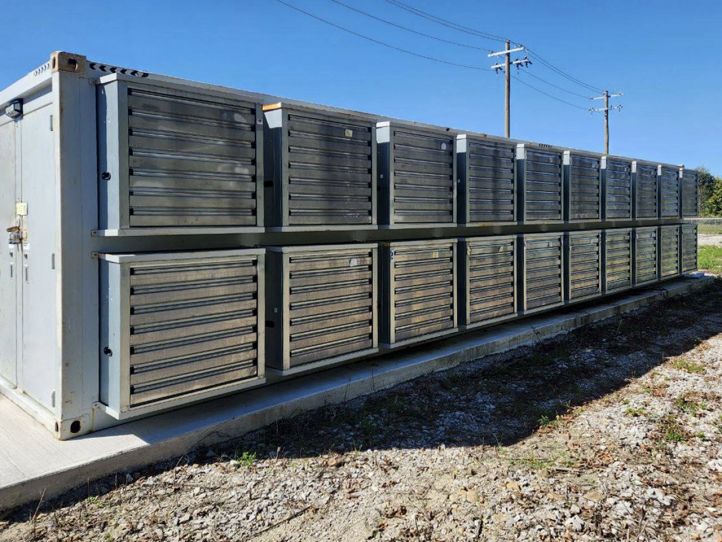

Modular container data centers are reshaping how cryptocurrency mining operates.
SAN FRANCISCO - Michimich -- Inside Bitcoin Mining: The Containers Powering a Global Network
Over the last decade, Bitcoin has evolved from an obscure internet experiment into a global digital asset. While most people track price swings or market headlines, few see the physical infrastructure that keeps the network running behind the scenes: mining.
Bitcoin mining has grown from a hobby conducted on personal computers into a large-scale industrial operation. As the network expanded, efficiency, power availability, and operating costs became the dominant factors shaping where and how mining takes place. One solution increasingly adopted by operators is containerized infrastructure—repurposed shipping containers designed to house specialized mining equipment.
These containerized facilities offer a fast and flexible way to deploy mining operations wherever reliable electricity is available.
What Bitcoin Mining Actually Does
Bitcoin mining is the process that verifies transactions and secures the blockchain network. When someone sends Bitcoin from one digital wallet to another, the transaction must first be validated by a decentralized network of computers.
Thousands of transactions are grouped into blocks. Specialized machines known as miners compete to verify those blocks by solving complex cryptographic problems. Once a block is verified, it is added to the blockchain, and the miners receive a reward consisting of newly issued Bitcoin and transaction fees.
More on Michimich.com
This process requires significant computing power, which consumes large amounts of electricity and produces substantial heat. As mining scaled globally, operators began searching for infrastructure that could support high-density computing while remaining cost-efficient and adaptable.
Why Containers Are Used for Mining
Shipping containers have become a practical solution for housing mining equipment because they are modular, transportable, and relatively quick to deploy.
Scalability is one of the biggest advantages. Instead of constructing large permanent facilities, operators can start with a single container and expand incrementally by adding more units as demand grows. Containers can be arranged side by side or stacked, creating a flexible infrastructure that grows alongside the operation.
Mobility is another major factor. Mining operations often follow access to inexpensive electricity. Containerized systems allow operators to relocate equipment to regions with more favorable energy costs or regulatory conditions, something traditional data center buildings cannot easily accommodate.
Cooling and airflow also play a critical role. Mining machines run continuously and generate large amounts of heat. Container systems are typically designed with high-volume ventilation, using industrial fans to pull cool air in and push hot air out. Some operations also incorporate evaporative cooling systems to further reduce internal temperatures while minimizing energy use.
More on Michimich.com
A New Layer of Infrastructure
A typical 40-foot mining container can support roughly 1 to 1.5 megawatts of electrical load and house hundreds of specialized machines. To operate safely and efficiently, these units rely on industrial-grade electrical systems, including three-phase power, power distribution units, and carefully designed rack layouts that maintain airflow between machines.
As Bitcoin continues to mature, the infrastructure supporting it is evolving as well. Containerized mining facilities illustrate how the industry is adapting to the demands of large-scale computing while maintaining flexibility in a rapidly changing energy and regulatory landscape.
What began as a decentralized financial experiment is now supported by a global network of highly specialized infrastructure—often hidden inside rows of steel containers working around the clock.
To read the full story, click here: https://www.conexwest.com/blog/hidden-infrastructure-behind-bitcoin-shipping-containers
About Conexwest
Conexwest is a U.S.-based supplier of shipping containers and container modifications serving commercial, industrial, and infrastructure projects across North America. The company provides new and used shipping containers along with customized container solutions designed for storage, mobile offices, modular facilities, and specialized infrastructure such as data processing environments and equipment housing.
Learn more at: https://www.conexwest.com
Over the last decade, Bitcoin has evolved from an obscure internet experiment into a global digital asset. While most people track price swings or market headlines, few see the physical infrastructure that keeps the network running behind the scenes: mining.
Bitcoin mining has grown from a hobby conducted on personal computers into a large-scale industrial operation. As the network expanded, efficiency, power availability, and operating costs became the dominant factors shaping where and how mining takes place. One solution increasingly adopted by operators is containerized infrastructure—repurposed shipping containers designed to house specialized mining equipment.
These containerized facilities offer a fast and flexible way to deploy mining operations wherever reliable electricity is available.
What Bitcoin Mining Actually Does
Bitcoin mining is the process that verifies transactions and secures the blockchain network. When someone sends Bitcoin from one digital wallet to another, the transaction must first be validated by a decentralized network of computers.
Thousands of transactions are grouped into blocks. Specialized machines known as miners compete to verify those blocks by solving complex cryptographic problems. Once a block is verified, it is added to the blockchain, and the miners receive a reward consisting of newly issued Bitcoin and transaction fees.
More on Michimich.com
- USA Med Bed Helping Home Care Patients with Refurbished Hill Rom Hospital Beds
- Sobreseimiento de Nicolás dos Santos y Jorge Méndez expone demandas millonarias a Paraguay y boicot a la Hidrovía
- CAPHRA warns Southeast Asia not to repeat Australia's nicotine policy failure
- Milo3D.ai Launches Free AI 3D Model Generator That Turns Text and Images Into Game-Ready 3D Assets in Seconds
- UK Financial Ltd Executes 100% Success Rate on All ERC-3643 Transfers to Coin Holders of MayaCat Regulated Security Token and Maya Preferred PRA
This process requires significant computing power, which consumes large amounts of electricity and produces substantial heat. As mining scaled globally, operators began searching for infrastructure that could support high-density computing while remaining cost-efficient and adaptable.
Why Containers Are Used for Mining
Shipping containers have become a practical solution for housing mining equipment because they are modular, transportable, and relatively quick to deploy.
Scalability is one of the biggest advantages. Instead of constructing large permanent facilities, operators can start with a single container and expand incrementally by adding more units as demand grows. Containers can be arranged side by side or stacked, creating a flexible infrastructure that grows alongside the operation.
Mobility is another major factor. Mining operations often follow access to inexpensive electricity. Containerized systems allow operators to relocate equipment to regions with more favorable energy costs or regulatory conditions, something traditional data center buildings cannot easily accommodate.
Cooling and airflow also play a critical role. Mining machines run continuously and generate large amounts of heat. Container systems are typically designed with high-volume ventilation, using industrial fans to pull cool air in and push hot air out. Some operations also incorporate evaporative cooling systems to further reduce internal temperatures while minimizing energy use.
More on Michimich.com
- Blank Space: The Unofficial Taylor Swift Tribute Brings Eras Tour Magic To Cities Across America
- Love Must Be the Guide: Live Good Shares a Message of Humanity, Compassion and Hope
- D.R. Crotzer Announces A New Science Fiction Book Series Exploring Life Energy, Dreams, and the Mystery of Existence
- Color Card Administrator Highlights Growing Enterprise Demand for Operational Infrastructure in Business Card Identity Governance
- American Properties Celebrates Grand Opening and Ribbon Cutting Ceremony at Heritage at South
A New Layer of Infrastructure
A typical 40-foot mining container can support roughly 1 to 1.5 megawatts of electrical load and house hundreds of specialized machines. To operate safely and efficiently, these units rely on industrial-grade electrical systems, including three-phase power, power distribution units, and carefully designed rack layouts that maintain airflow between machines.
As Bitcoin continues to mature, the infrastructure supporting it is evolving as well. Containerized mining facilities illustrate how the industry is adapting to the demands of large-scale computing while maintaining flexibility in a rapidly changing energy and regulatory landscape.
What began as a decentralized financial experiment is now supported by a global network of highly specialized infrastructure—often hidden inside rows of steel containers working around the clock.
To read the full story, click here: https://www.conexwest.com/blog/hidden-infrastructure-behind-bitcoin-shipping-containers
About Conexwest
Conexwest is a U.S.-based supplier of shipping containers and container modifications serving commercial, industrial, and infrastructure projects across North America. The company provides new and used shipping containers along with customized container solutions designed for storage, mobile offices, modular facilities, and specialized infrastructure such as data processing environments and equipment housing.
Learn more at: https://www.conexwest.com
Source: Conexwest
0 Comments
Latest on Michimich.com
- XRPPower Continues Strengthening Its Global AI-Powered Blockchain Ecosystem
- Lick Introduces Pineapple Flavored Massage Oil — A Tropical Date Night Favorite Available on Amazon
- FutureLot Powers ADU Wizard for Massachusetts Clean Energy Center's Statewide ADU Resource Center
- ICT Innovations Releases ICTPBX Community Edition as Open Source Under Mozilla Public License 2.0
- Maryland Personal Injury Firm Earns National Recognition in 2026 ELA Awards
- ESPEC North America to Exhibit at ESTECH 2026
- Robert J. Bradshaw's AYE is a Gripping Dual Reality Thriller Exploring the Increasingly Blurred Line Between Humanity and Technology
- Bangxing Silicone Revolutionizes Silicone Baby Product Partnerships: Low MOQ Support + VIP Long-Term Win-Win Programs
- Aerospace & Defense PLM Action Group to Present Research Findings on Digital Twins & Digital Thread
- SteelTree Announces Launch of Its Operational Decision Intelligence Service
- Advanced AI Capabilities Reflected by Upcoming Company Name and Stock Symbol Change for Evolving Pre-Owned Boat Dealer: Off The Hook YS: N Y S E: OTH
- AI-Driven Defense Expansion, Autonomous Systems and Israeli Aerospace Manufacturing Platform: VisionWave Holdings (N A S D A Q: VWAV)
- AI Predicts the Most Likely 2026 FIFA World Cup Winner
- The AI Production Shift: Why Game Development Is Entering Its Most Accelerated Phase
- World-First AI Humanoid Robot Debuts on Cherie Barber's Ground-breaking Australian Reno Show
- New Survey Reveals America's Most Feared Bridges for Cyclists — Golden Gate Tops the List
- Raymond Lavine, Extended Care Benefits Advisor and Author, to Appear on National Television Series Moving America Forward
- Sterling Heights Celebrates America's 250th with Memorial Day Parade and Ceremony on May 25
- Sterling Heights: Turn Up the Sunshine this June with #MYSHPR
- NaturismRE Launches Structured Nudism & Naturism Encyclopedia, Aiming to Reframe Public Understanding