Trending...
- RAS AP Consulting Expands AP Governance & Automation Practice and Named Finalist for Heidelberg Materials SAP Vendor & Customer Data Project - 134
- Macomb Mail Carrier Finds Relief from Spinal Stenosis Through Chiropractic Care and Postural Rehabilitation - 128
- Ascent Solar Technologies (N A S D A Q: ASTI): Positioned at the Intersection of the New Space Economy, Defense Innovation and Next-Generation Energy


Fuel2Electric Steps In as Parts Shortages and Vanishing Expertise Threaten 43 Million Classic and Vintage Vehicles
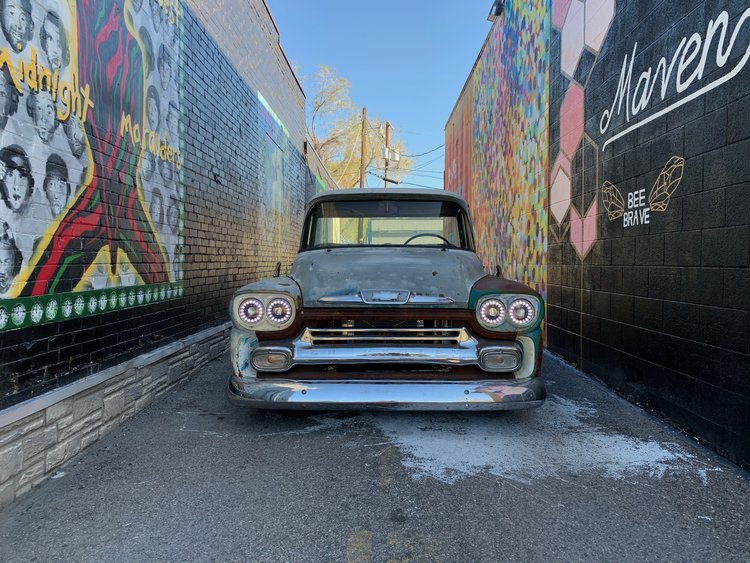
FAYETTEVILLE, Ark. - Michimich -- As the automotive industry accelerates toward an all-electric future, a critical question emerges over America's 43 million classic and vintage vehicles: What happens to automotive heritage when gas stations disappear, and the mechanics who understand carburetors retire? Fuel2Electric, the world's largest electric vehicle conversion network, is answering that question by pioneering what it calls "the most ambitious sustainability project after solar panels", giving every aging vehicle a second electric life.
The numbers tell a stark story. According to the Specialty Equipment Market Association (SEMA); 60% of classic car owners report difficulty finding original parts, fewer than 5% of automotive technicians under 30 have any training in pre-fuel-injection systems, the average classic car sits under a tarp 350 days per year and is driven just 1,200 miles annually (not because owners don't want to drive them, but because they can't rely on them).
"We're watching a perfect storm develop," says the founder of Fuel2Electric. "Classic cars aren't wearing out; they're being abandoned because the parts to fix them no longer exist, and the people who know how to work on them are disappearing. Meanwhile, we're scrapping 12 million vehicles annually in the U.S., when most of those vehicle bodies have decades of life remaining and, more importantly, countless memories left to create with family and friends."
More on Michimich.com
Electric conversion offers an unexpected solution. The technology has proven itself remarkably durable, with electric motors routinely exceeding 500,000 miles and battery packs retaining 80-85% capacity after 200,000 miles. This creates a unique convergence: millions of classic vehicles with beautiful bodies but failing drivetrains meeting a mature, proven electric technology designed to outlast everything around it.
The results transform economics and usability. Owners report using converted classics as daily drivers, commuting on Friday, and road-tripping on Saturday, without the constant maintenance and reliability concerns that previously kept these vehicles parked. And the best part: it's so smooth and easy to drive that all the family members can take the wheel confidently. No need for a mechanic on standby.
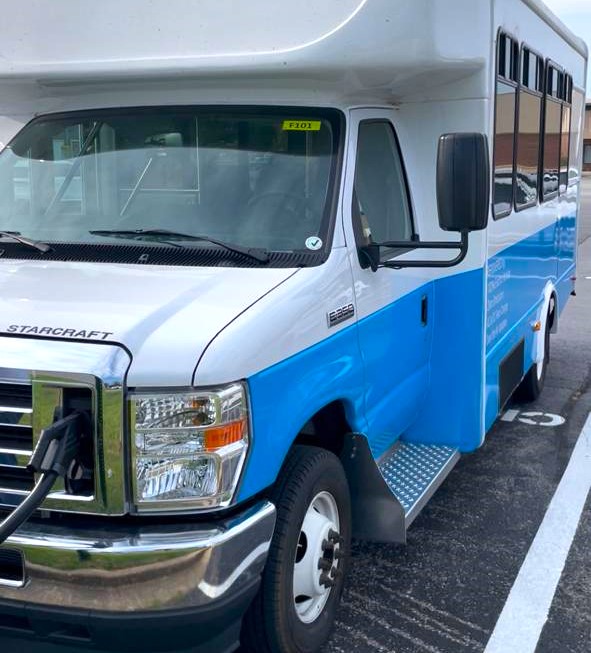
The impact extends beyond individual enthusiasts. Commercial fleets represent an even larger opportunity, with small and mid-sized businesses converting aging delivery vans and service vehicles. Transit agencies are converting shuttle buses for $88,000-$150,000 versus $350,000 for new electric shuttle buses, achieving three to four-year ROI through fuel and maintenance savings.
More on Michimich.com
Fuel2Electric doesn't perform conversions directly but connects vehicle owners with a growing network of independent automotive shops across the U.S. and Canada. They help car owners understand the process and guide them in deciding whether to pursue a premium build or a hands-on DIY approach, with training and parts sourcing.
"This isn't about choosing between preserving automotive heritage and protecting the environment," the company emphasizes. "It's about proving we can do both. With 100 million vehicles over 16 years old on U.S. roads, conversion isn't just practical, it's essential for saving our automotive legacy."
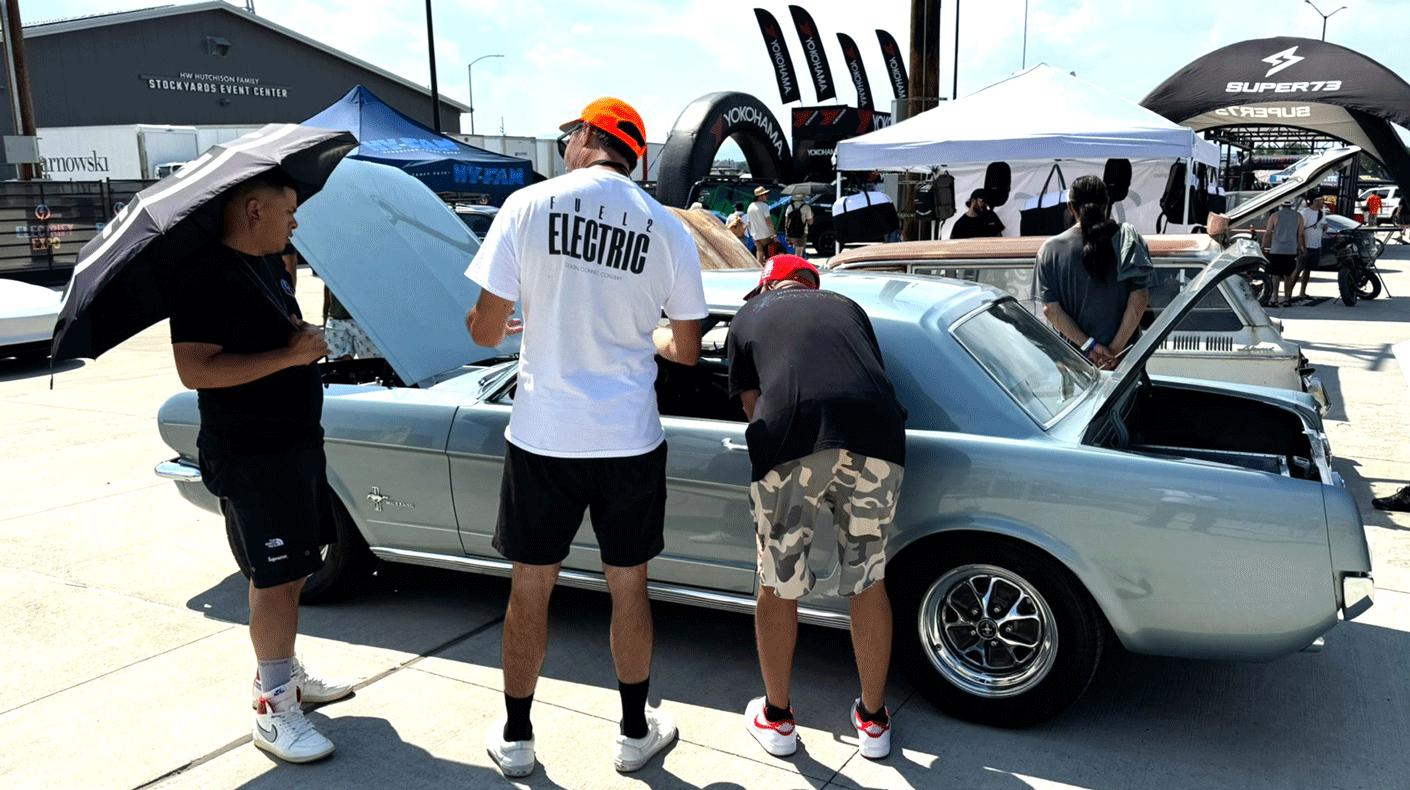
New technology isn't just benefiting new vehicles; electric conversion allows fleet managers to save costs and classic car owners to give their father's 66 Mustang a new lease on life, driving better than it ever did, in a world that's moving beyond gasoline.
The numbers tell a stark story. According to the Specialty Equipment Market Association (SEMA); 60% of classic car owners report difficulty finding original parts, fewer than 5% of automotive technicians under 30 have any training in pre-fuel-injection systems, the average classic car sits under a tarp 350 days per year and is driven just 1,200 miles annually (not because owners don't want to drive them, but because they can't rely on them).
"We're watching a perfect storm develop," says the founder of Fuel2Electric. "Classic cars aren't wearing out; they're being abandoned because the parts to fix them no longer exist, and the people who know how to work on them are disappearing. Meanwhile, we're scrapping 12 million vehicles annually in the U.S., when most of those vehicle bodies have decades of life remaining and, more importantly, countless memories left to create with family and friends."
More on Michimich.com
- RAS AP Consulting Expands AP Governance & Automation Practice and Named Finalist for Heidelberg Materials SAP Vendor & Customer Data Project
- Macomb Mail Carrier Finds Relief from Spinal Stenosis Through Chiropractic Care and Postural Rehabilitation
- Michigan Collection Company Tells Creditors to Put Everything in Writing!
- Custom POS Equipment Manufacturer Offers New Belt Clip Solution!
- Professional Lawn Care Company in Howell Emphasizes the Importance of Grub Control
Electric conversion offers an unexpected solution. The technology has proven itself remarkably durable, with electric motors routinely exceeding 500,000 miles and battery packs retaining 80-85% capacity after 200,000 miles. This creates a unique convergence: millions of classic vehicles with beautiful bodies but failing drivetrains meeting a mature, proven electric technology designed to outlast everything around it.
The results transform economics and usability. Owners report using converted classics as daily drivers, commuting on Friday, and road-tripping on Saturday, without the constant maintenance and reliability concerns that previously kept these vehicles parked. And the best part: it's so smooth and easy to drive that all the family members can take the wheel confidently. No need for a mechanic on standby.
The impact extends beyond individual enthusiasts. Commercial fleets represent an even larger opportunity, with small and mid-sized businesses converting aging delivery vans and service vehicles. Transit agencies are converting shuttle buses for $88,000-$150,000 versus $350,000 for new electric shuttle buses, achieving three to four-year ROI through fuel and maintenance savings.
More on Michimich.com
- Michigan Boat Dock Manufacturer Shares The Advantages of American-Made Boat Docks
- 100+ Episodes In, Liftoff with Keith Newman Tells Founders to Stop Publishing More
- Vierra Communities Adds Operations of Two Skilled Nursing Facilities in the DC Metro Area
- Slotozilla Introduces a Centralized Resource for World Cup Bonus Offers
- Webinar Announcement: Built for Trust: Latitude's 0 to 1 Compliance Playbook for Modern Cross-Border Payments
Fuel2Electric doesn't perform conversions directly but connects vehicle owners with a growing network of independent automotive shops across the U.S. and Canada. They help car owners understand the process and guide them in deciding whether to pursue a premium build or a hands-on DIY approach, with training and parts sourcing.
"This isn't about choosing between preserving automotive heritage and protecting the environment," the company emphasizes. "It's about proving we can do both. With 100 million vehicles over 16 years old on U.S. roads, conversion isn't just practical, it's essential for saving our automotive legacy."
New technology isn't just benefiting new vehicles; electric conversion allows fleet managers to save costs and classic car owners to give their father's 66 Mustang a new lease on life, driving better than it ever did, in a world that's moving beyond gasoline.
Source: Fuel2Electric, LLC
Filed Under: Technology
0 Comments
Latest on Michimich.com
- Ascent Solar Technologies (N A S D A Q: ASTI): Positioned at the Intersection of the New Space Economy, Defense Innovation and Next-Generation Energy
- Triple-Digit Growth, Stock Market Upgrade plus a Rapidly Expanding Specialty Healthcare Platform: Cardiff Lexington Corporation (Stock Symbol: CDIX)
- Morrisville & Cary Education Centers Honored with National Award
- Families Don't Need More Activities. They Need More Clarity
- AI-Powered Neuropsychiatry, FDA Regulatory Momentum, Commercial Ketamine Launch Position NRx Pharmaceuticals for Potential Breakout Growth in 2026
- Henri-Lloyd Launches Sail Free to Break Down Barriers to Sailing
- Genuine Hospitality, LLC Selected to Operate Hilton Garden Inn Jacksonville JTB/Deerwood Park
- Destination Niagara Launches Game Changing Digital Magazine Redefining How Visitors Experience Niagara Falls
- San Diego's newest marketing firm is boring on purpose — it's working
- Arizona Christian Homeschools Launches Statewide Directory
- Sexually Abused in a Psychiatric Hospital or Psychiatrist's or Psychologist's Office? CCHR Urges Survivors to Reach Out to It
- Senco Home Services Expands Residential Construction Services
- Ricci's Painting & Contracting Expands Home Transformation Services
- Roofman USA Expands Local Roofing Resources and Services Across Michigan Communities
- Deployed but Not Adopted: New Study Reveals the AI 'Trust Gap' Inside Industrial Engineering
- Sylvester Anthony III Introduces His Artist Journey with Debut Single "Cherish"
- Boston Industrial Solutions Introduces High-Performance Primer for Bonding Liquid Silicone to Epoxy
- Healthcare Leaders Publish New Integrated Behavioral Healthcare Guide, Led by Doctors of Behavioral Health
- Verbica Challenges Panetta to a Televised Debate on the Issues
- Salt Lake City Families Turn to Private Autopsy Services for Faster Answers After Unexpected Loss